Product Information
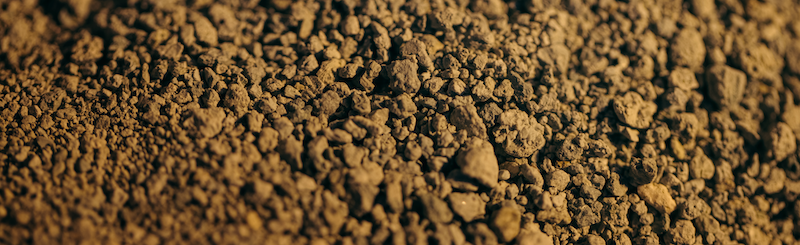
Our feed-grade bentonite is sourced from the high-quality Askanian deposit in Georgia and specially processed for use as a mycotoxin adsorbent and feed additive in livestock and poultry nutrition. Rich in montmorillonite clay mineral, this bentonite contains naturally occurring trace elements (Ca, Mg, Mn, Fe, Zn, Cu) that, under the influence of gastric juices, convert into easily digestible compounds, serving as a valuable source of micronutrients for balanced animal nutrition.
The Science Behind Mycotoxin Binding: Bentonite’s layered montmorillonite structure provides exceptional cation exchange capacity (350-400 mg.eq/100g) and an enormous surface area for adsorption. When consumed, bentonite binds mycotoxins—particularly aflatoxin B1—through ionic and physical interactions, forming stable mycotoxin-bentonite complexes that cannot be absorbed through the gastrointestinal tract. These bound toxins are safely excreted through manure, protecting animals from mycotoxicosis and its devastating health and economic consequences.
Proven Performance: Extensive research, including studies conducted with Askangel bentonite on Cross-308 broilers, has demonstrated significant improvements in animal performance. Clinical trials testing various dosages (1.0%, 1.5%, 2.0%) have shown consistent benefits across multiple animal species, validating bentonite’s role as an essential feed safety tool in modern livestock production.
Manufacturing Quality: Our feed-grade bentonite undergoes rigorous processing and quality control to ensure:
- Odorless and tasteless properties for high palatability
- Consistent particle size distribution for uniform mixing
- Low sand content (≤6%) for maximum effectiveness
- Optimal moisture levels (≤12%) for storage stability
- High purity with minimal heavy metal content
Key Applications:
Poultry Production:
- Broiler chickens: Improved weight gain and reduced liver damage from aflatoxins
- Laying hens: Increased eggshell strength and egg production
- Prevention and control of wet droppings and digestive issues
- Enhanced immune system function
Swine Production:
- Piglets: Reduced mortality and diarrhea incidence in young stock
- Growing-finishing pigs: Improved daily weight gain and feed conversion ratio
- Protection against aflatoxin contamination in corn-based diets
- Better overall herd health and reduced antibiotic usage
Ruminant Production:
- Dairy cattle: Increased milk yield and milk fat percentage
- Beef cattle: Enhanced daily weight gain and feed efficiency
- Reduction of radioactive nuclides and heavy metals in milk
- Improved wool growth in sheep
- Rumen pH buffering and reduced risk of urea poisoning
- Better adaptation to grain feeding
Additional Functions:
- Pelleting Aid: Acts as natural binder improving pellet durability and reducing fines
- Anti-caking Agent: Maintains feed flowability in humid storage conditions
- Moisture Management: Binds excess water, resulting in firmer manure and drier barns
Benefits
- Powerful Mycotoxin Adsorption – Binds up to 98% of aflatoxin B1 in the digestive tract, preventing absorption into the bloodstream and protecting animals from acute and chronic mycotoxicosis
- Reduced Mortality in Young Stock – Significantly decreases mortality rates in piglets, chicks, and calves by eliminating toxic burden during critical growth phases
- Enhanced Growth Performance – Documented increases in daily weight gain (5-8%), improved feed conversion ratios, and faster time to market across all animal species
- Improved Reproductive Health – Protects breeding animals from mycotoxin-induced fertility problems, ensuring higher conception rates and healthier offspring
- Increased Milk Production & Quality – Boosts daily milk yield and milk fat percentage while reducing contamination from radioactive nuclides and heavy metals in dairy products
- Superior Egg Production – Increases eggshell strength by up to 15%, reducing breakage during handling and transportation while improving overall laying performance
- Strengthened Immune System – By reducing toxic load, bentonite allows animals to mount more effective immune responses, decreasing disease incidence and antibiotic requirements
- Natural & EU-Approved – Non-toxic, non-absorbable, and officially recognized by EFSA (European Food Safety Authority) as safe and effective for mycotoxin reduction (EU Register 1m 558)
- Source of Essential Trace Minerals – Provides bioavailable Ca, Mg, Mn, Fe, Zn, and Cu that support skeletal development, enzyme function, and overall metabolic health
- Cost-Effective Feed Safety – Protects feed investment by preventing mycotoxin-related losses, with typical inclusion rates of only 0.5-2.0% delivering substantial economic returns
Specifications
Basic Properties
| Parameter | Value |
|---|---|
| Product composition | Natural sodium bentonite (montmorillonite clay) from Askan deposit |
| Organoleptic properties | Odorless and tasteless |
| Physical form | Fine powder |
| Moisture content | ≤ 12% |
| Color | Light beige to cream |
Chemical & Performance Characteristics
| Parameter | Value |
|---|---|
| Methylene blue adsorption | 350-400 mg.eq/100g |
| Cation exchange capacity | ≥ 60 meq/100g |
| Sand content | ≤ 6% |
| Sodium oxide (Na₂O) content | ≥ 1.55% |
| Calcium oxide (CaO) content | ≤ 2.8% |
| pH | ≥ 6.0 |
| Swelling capacity | High (8x original volume) |
Mycotoxin Binding Capacity
| Mycotoxin | Adsorption Efficiency |
|---|---|
| Aflatoxin B1 | 90-98% (highest efficacy) |
| Aflatoxin B2 | 85-93% |
| Ochratoxin A | 40-60% |
| Zearalenone | 35-50% |
| Fumonisin | 40-55% |
Note: Bentonite is most effective against aflatoxins. For feeds contaminated with multiple mycotoxins, combination strategies may be recommended.
Recommended Inclusion Rates
| Application | Inclusion Rate | Purpose |
|---|---|---|
| Mycotoxin binding (standard) | 0.5-1.0% (5-10 kg/ton) | Aflatoxin B1 adsorption |
| Mycotoxin binding (severe contamination) | 1.5-2.0% (15-20 kg/ton) | High mycotoxin levels |
| Pelleting aid | 1.0-2.0% (10-20 kg/ton) | Pellet durability improvement |
| Moisture control & anti-caking | 0.5-1.5% (5-15 kg/ton) | Feed quality maintenance |
EFSA Recommendation: Maximum 2% inclusion; doses above 0.5% should be accompanied by adequate vitamin and mineral fortification.
Animal-Specific Guidelines
| Species | Typical Rate | Primary Benefits |
|---|---|---|
| Broiler chickens | 1.0-1.5% | Weight gain, reduced liver damage |
| Laying hens | 0.5-1.5% | Eggshell strength, production |
| Piglets (weaning) | 1.0-2.0% | Reduced diarrhea, improved gain |
| Growing-finishing pigs | 0.5-1.5% | Feed conversion, mycotoxin protection |
| Dairy cattle | 0.5-1.5% | Milk yield, milk quality |
| Beef cattle | 0.5-1.0% | Daily gain, feed efficiency |
Regulatory Compliance
- European Union: Approved as Feed Additive 1m 558 for aflatoxin B1 reduction
- EFSA (European Food Safety Authority): Recognized for pigs, poultry, and ruminants
- Complies with EU regulations for mycotoxin reduction in animal feed
- Safe for all animal species when used according to recommended guidelines
- Non-GMO, natural product
Packaging Options
- Polypropylene bags: 25 kg, 50 kg
- Big-Bag containers: 1,000 kg (1 metric ton)
- Custom packaging available upon request
Storage & Shelf Life
- Store in cool, dry conditions away from direct sunlight
- Keep containers sealed to prevent moisture absorption
- Shelf life: 24 months from production date when properly stored
- Maintain storage temperature below 30°C
Documentation
Technical Documentation Available:
- ✓ Technical Data Sheet (TDS)
- ✓ Safety Data Sheet (SDS/MSDS)
- ✓ Certificate of Analysis (COA)
- ✓ Quality Certificates
Please contact our sales team to request documentation or create an account for full access to technical resources.
Need Technical Support?
Our team of experts is ready to help you find the right solution for your application.
Contact Us