Product Information
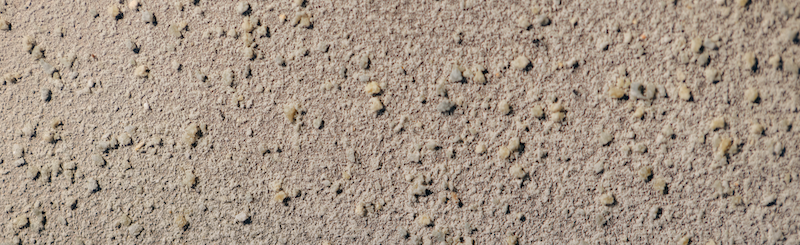
Our fractionated and dried bentonite represents the next level of bentonite processing, combining controlled drying with precise particle size separation to produce multiple product grades, each optimized for specific industrial applications. Unlike standard crushed bentonite with its broad 0-5mm particle distribution, our fractionated product is systematically separated into narrow size ranges, allowing customers to select the exact fraction that delivers optimal performance for their process.
Advanced Fractionation Process: Fractionation is the systematic separation of bentonite into distinct particle size groups (fractions), each with uniform characteristics and predictable performance. Our multi-stage processing ensures:
- Primary Drying: Controlled moisture reduction to ≤12% preserving montmorillonite structure
- Precision Crushing: Size reduction to prepare material for fractionation
- Multi-Stage Screening: Series of calibrated sieves separate material into distinct size fractions
- Wet Fractionation (fine grades): Water-based separation for particles <150μm using sedimentation or hydrocyclones
- Quality Verification: Each fraction analyzed for particle size distribution, montmorillonite content, and performance properties
Why Fractionation Matters: Particle size profoundly influences bentonite performance. Larger particles (2-5mm) provide excellent permeability control and slow, sustained swelling for waterproofing applications. Medium fractions (0.5-2mm) offer balanced properties ideal for iron ore pelletizing. Fine fractions (150-500μm) deliver superior binding in foundry sands. Ultrafine particles (<74μm) provide maximum surface area and instant hydration for high-performance drilling fluids. By selecting the appropriate fraction, customers eliminate undersized particles that create excessive dust and oversized particles that reduce binding efficiency.
The Science of Particle Size Effects:
Surface Area and Reactivity: As particle size decreases, surface area increases exponentially. Coarse 2-5mm particles offer 10-20 m²/g surface area, while ultrafine <44μm fractions exceed 100 m²/g. This dramatic increase in reactive surface translates directly to faster swelling, stronger binding, and enhanced adsorption capacity.
Swelling Kinetics: Coarse fractions absorb water slowly (hours), making them ideal for applications requiring gradual, sustained sealing. Fine fractions hydrate rapidly (5-15 minutes), perfect for immediate binding in pelletizing and molding. Ultrafine particles swell almost instantly (<5 minutes), critical for drilling mud activation.
Packing Density and Permeability: Fine particles fill voids between larger particles, creating denser packing and lower permeability—essential for waterproofing. Coarser fractions maintain higher porosity, allowing controlled gas escape in foundry molds while still providing adequate binding strength.
Available Fractions and Applications:
Coarse Fraction (2-5mm)
Characteristics:
- Particle size: 2000-5000 micrometers
- Slow swelling (several hours to full hydration)
- High permeability to gases
- Low dust generation
- Surface area: 10-20 m²/g
Primary Applications:
- Waterproofing Barriers: Foundation excavations, basement walls, underground structures
- Pond and Lagoon Liners: Environmental containment, agricultural water storage
- Well Sealing: Abandoned well closure, groundwater protection zones
- Landfill Caps: Geosynthetic clay liner (GCL) component
- Spill Absorbents: Industrial liquid containment, emergency response
Performance Benefits:
- Gradual swelling prevents rapid pressure buildup
- Self-healing properties seal cracks over time
- Excellent long-term stability in saturated conditions
- Minimal dusting during handling and placement
Medium Fraction (0.5-2mm / 10-35 mesh)
Characteristics:
- Particle size: 500-2000 micrometers
- Moderate swelling rate (30-60 minutes)
- Balanced binding and permeability
- Surface area: 30-50 m²/g
- Optimal for mechanical mixing systems
Primary Applications:
- Iron Ore Pelletizing: Primary binder for concentrate agglomeration (0.8-1.5% addition)
- Drilling Fluids (base component): Initial mud mixing for oil/gas/geothermal drilling
- Soil Stabilization: Road construction, embankment reinforcement
- Construction Slurries: Diaphragm walls, secant pile installation
- Grouting Applications: Void filling, ground consolidation
Performance Benefits:
- Ideal particle size for pelletizing drum/disc distribution
- Creates strong green pellets (>1 kg/pellet compression)
- Excellent dispersion in water-based systems
- Cost-effective balance of performance and price
Fine Fraction (150-500μm / 35-100 mesh)
Characteristics:
- Particle size: 150-500 micrometers
- Fast swelling (5-15 minutes to full hydration)
- High binding capacity
- Surface area: 60-100 m²/g
- Excellent workability in dry-mix formulations
Primary Applications:
- Green Sand Molding (iron casting): 8-10% addition for gray iron, ductile iron
- Ceramic Plasticizers: Improved workability and green strength
- Pellet Binders: Enhanced sphere formation and drop resistance
- Agricultural Carriers: Fertilizer and pesticide delivery systems
- Geosynthetic Clay Liners: Needle-punched GCL manufacturing
Performance Benefits:
- Provides optimal green compressive strength (5-7 psi)
- Balanced gas permeability (100-150 units) for casting applications
- Uniform coating of sand grains in foundry mixtures
- High sand reuse rates (90-95%) with proper conditioning
Very Fine Fraction (74-150μm / 100-200 mesh)
Characteristics:
- Particle size: 74-150 micrometers
- Very fast swelling (5-10 minutes)
- Superior binding strength
- Surface area: 80-120 m²/g
- Enhanced suspension properties
Primary Applications:
- Steel Casting (green sand): 10-12% addition for high-temperature applications
- Drilling Muds (oil & gas): Viscosity control, filtration loss reduction
- Specialty Binders: High-strength industrial adhesives
- Feed Pellet Production: Aquaculture feed, livestock pellets
- Pharmaceutical Excipients: Tablet binding and disintegration control
Performance Benefits:
- Delivers high green strength (>7 psi) for steel casting molds
- Thermal stability maintained to 1400-1500°C
- Excellent rheological control in fluid systems
- Rapid hydration minimizes mixing time and energy
Superfine Fraction (44-74μm / 200-325 mesh)
Characteristics:
- Particle size: 44-74 micrometers
- Instant swelling (<5 minutes)
- Maximum binding efficiency
- Surface area: 100-150 m²/g
- Premium-grade performance
Primary Applications:
- Precision Casting: Investment casting, aerospace components
- API-Grade Drilling Fluids: High-performance oilfield applications
- Cosmetics and Personal Care: Face masks, skin treatments
- Paints and Coatings: Rheology modifier, suspension agent
- Advanced Ceramics: Technical ceramics, electronic substrates
Performance Benefits:
- Meets or exceeds API 13A specifications for drilling fluids
- Minimal filtrate loss (<15 mL API filtration test)
- Superior suspension capacity (yield point >30 lbs/100ft²)
- Ultra-low sand content (<3%) for sensitive applications
Ultrafine Fraction (<44μm / >325 mesh)
Characteristics:
- Particle size: <44 micrometers (submicron to 44μm range)
- Instantaneous swelling (seconds)
- Maximum surface area (>150 m²/g)
- Colloidal properties
- Highest cation exchange capacity
Primary Applications:
- Nanotechnology: Nanocomposite matrices, functional coatings
- Catalyst Supports: Petrochemical processing, environmental catalysis
- High-End Drilling Fluids: Deepwater, HPHT (High Pressure High Temperature) wells
- Pharmaceutical Binders: Advanced drug delivery systems
- Specialty Inks: Flexographic, gravure printing systems
Performance Benefits:
- Maximum swelling capacity (15x+ volume expansion)
- Exceptional rheological control at low concentrations
- Superior adsorption of ions, molecules, and contaminants
- Stable colloidal suspensions for extended periods
Benefits
- Precision Performance Optimization – Each fraction delivers targeted particle size range for maximum efficiency in specific applications, eliminating performance-reducing oversized and undersized particles
- Enhanced Process Consistency – Narrow particle size distribution ensures predictable swelling rates, binding strength, and rheological properties batch after batch, reducing process variability
- Reduced Material Consumption – Optimal particle sizing allows lower addition rates (typically 10-20% less) compared to unsized bentonite while maintaining or improving performance
- Faster Processing Times – Appropriate fraction hydrates at the ideal rate for each application—coarse fractions for sustained release, fine fractions for rapid activation
- Superior Surface Area Control – Fine and ultrafine fractions provide 5-10x greater surface area than coarse grades, maximizing adsorption, binding, and catalytic activity
- Minimized Dust Issues – Coarse and medium fractions virtually eliminate airborne dust during handling, improving workplace safety and reducing material loss
- Application-Specific Selection – Multiple fraction options allow precise matching of bentonite properties to process requirements, from slow waterproofing to instant drilling mud activation
- Improved Final Product Quality – Foundry molds with fewer defects, stronger pellets, cleaner drilling fluids, and more uniform ceramic bodies result from optimized particle sizing
- Cost-Effective Solutions – Targeted fraction selection eliminates paying for unnecessary ultrafine processing when coarser grades perform adequately
- Versatile Industry Coverage – Single bentonite source serves multiple industries through fractionation, from 5mm waterproofing grade to <44μm pharmaceutical grade
- Quality Assurance Standards – Each fraction tested to Georgian Enterprise Standard STP GR 22983003-001-2017 with particle size verification for specification compliance
- Technical Customization Available – Custom fraction ranges and blended combinations can be produced to meet unique customer specifications and proprietary formulations
Specifications
Basic Properties (All Fractions)
| Parameter | Value |
|---|---|
| Product composition | Natural sodium bentonite (montmorillonite clay) from Askan deposit |
| Processing | Crushed, dried, and fractionated |
| Moisture content | ≤ 12% |
| Color | Light beige to grey |
| Montmorillonite content | ≥ 70% |
| pH (10% suspension) | 8.5-10.5 |
Fraction-Specific Specifications
Coarse Fraction (2-5mm)
| Parameter | Value |
|---|---|
| Particle size range | 2000-5000 micrometers |
| Mesh classification | Retained on 4 mesh, passing 10 mesh |
| Swelling rate | Slow (hours) |
| Surface area | 10-20 m²/g |
| Bulk density | 900-1100 kg/m³ |
| Dust content | Minimal (<0.5%) |
| Primary use | Waterproofing, liners, sealing |
Medium Fraction (0.5-2mm / 10-35 mesh)
| Parameter | Value |
|---|---|
| Particle size range | 500-2000 micrometers |
| Mesh classification | Passing 10 mesh, retained on 35 mesh |
| Swelling rate | Moderate (30-60 minutes) |
| Surface area | 30-50 m²/g |
| Bulk density | 850-1000 kg/m³ |
| Cation exchange capacity | 70-85 meq/100g |
| Primary use | Pelletizing, drilling, construction |
Fine Fraction (150-500μm / 35-100 mesh)
| Parameter | Value |
|---|---|
| Particle size range | 150-500 micrometers |
| Mesh classification | Passing 35 mesh, retained on 100 mesh |
| Swelling rate | Fast (5-15 minutes) |
| Surface area | 60-100 m²/g |
| Bulk density | 800-950 kg/m³ |
| Green compressive strength | 5-7 psi (foundry sand) |
| Primary use | Foundry sands, ceramics, pellets |
Very Fine Fraction (74-150μm / 100-200 mesh)
| Parameter | Value |
|---|---|
| Particle size range | 74-150 micrometers |
| Mesh classification | Passing 100 mesh, retained on 200 mesh |
| Swelling rate | Very fast (5-10 minutes) |
| Surface area | 80-120 m²/g |
| Bulk density | 750-900 kg/m³ |
| Green compressive strength | >7 psi (steel casting) |
| Primary use | Steel casting, drilling muds, binders |
Superfine Fraction (44-74μm / 200-325 mesh)
| Parameter | Value |
|---|---|
| Particle size range | 44-74 micrometers |
| Mesh classification | Passing 200 mesh, retained on 325 mesh |
| Swelling rate | Instant (<5 minutes) |
| Surface area | 100-150 m²/g |
| Bulk density | 700-850 kg/m³ |
| API compliance | Meets API 13A standards |
| Primary use | Precision casting, API drilling fluids |
Ultrafine Fraction (<44μm / >325 mesh)
| Parameter | Value |
|---|---|
| Particle size range | <44 micrometers |
| Mesh classification | Passing 325 mesh |
| Swelling rate | Instantaneous (seconds) |
| Surface area | >150 m²/g |
| Bulk density | 650-800 kg/m³ |
| Colloidal fraction | >95% |
| Primary use | Nanotechnology, catalysts, pharmaceuticals |
Recommended Dosage Rates by Application
Iron Ore Pelletizing (Medium Fraction):
- Standard addition: 0.8-1.5% by weight of ore concentrate
- Fine ore: 1.0-1.5%
- Coarse ore: 0.5-1.0%
Foundry Green Sand:
- Iron casting (Fine Fraction): 8-10% by weight
- Steel casting (Very Fine Fraction): 10-12% by weight
- Non-ferrous casting: 6-8% by weight
Drilling Fluids:
- Medium Fraction (base mud): 4-6% by weight of water
- Very Fine/Superfine (performance mud): 3-5% by weight
- API-grade applications: 2-4% (Superfine/Ultrafine)
Waterproofing (Coarse Fraction):
- GCL liners: 3-5 kg/m²
- Slurry walls: 4-8% suspension
- Sealing applications: 5-10 kg/m² coverage
Construction Slurries (Medium Fraction):
- Diaphragm walls: 4-6% by weight of water
- Secant piles: 5-7% by weight
- Grouting: 8-12% by weight
Standards Compliance
- Georgian Enterprise Standard: STP GR 22983003-001-2017
- ISO 9001:2015 Quality Management System
- API 13A Specification (Superfine/Ultrafine drilling grades)
- ASTM E11 Sieve Standards for particle size verification
- Custom specifications available upon request
Packaging Options
Standard Packaging:
- Polypropylene bags: 25 kg, 50 kg (labeled by fraction)
- Big-Bag (FIBC) containers: 500 kg, 1,000 kg (single fraction per bag)
- Custom packaging with fraction identification
Bulk Delivery (Large Volume):
- Dedicated compartment trucks (prevents cross-contamination)
- Rail car delivery (single fraction shipments)
- Container export (clearly marked by fraction)
Note: Each package clearly labeled with fraction size range for easy identification
Storage & Shelf Life
Store in cool, dry, well-ventilated warehouse away from moisture Keep containers sealed to prevent hydration and maintain fraction integrity Separate storage recommended for different fractions to prevent cross-contamination Ideal storage temperature: 0-30°C Shelf life: 24 months from production date when properly stored Handle with care to minimize dust generation from fine fractions
Documentation
Technical Documentation Available:
- ✓ Technical Data Sheet (TDS)
- ✓ Safety Data Sheet (SDS/MSDS)
- ✓ Certificate of Analysis (COA)
- ✓ Quality Certificates
Please contact our sales team to request documentation or create an account for full access to technical resources.
Need Technical Support?
Our team of experts is ready to help you find the right solution for your application.
Contact Us